
Hager Charge
Mobile Application
Summary
As part of its innovation strategy, Hager entrusted me with the design of a mobile application intended to control charging stations for electric vehicles. The objective: to offer a simple experience for individuals, while integrating an advanced mode for installer electricians.
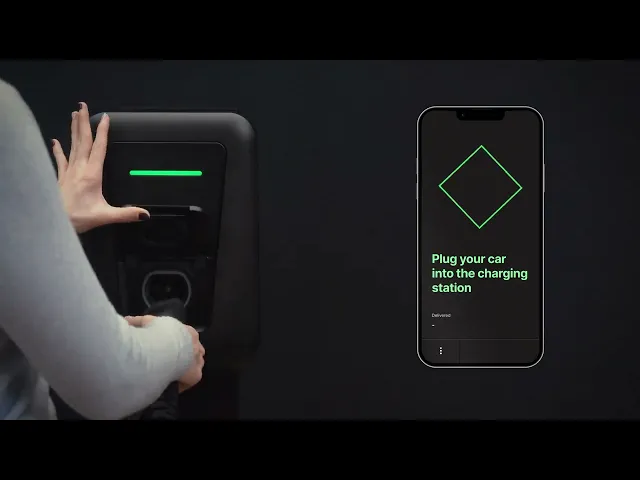
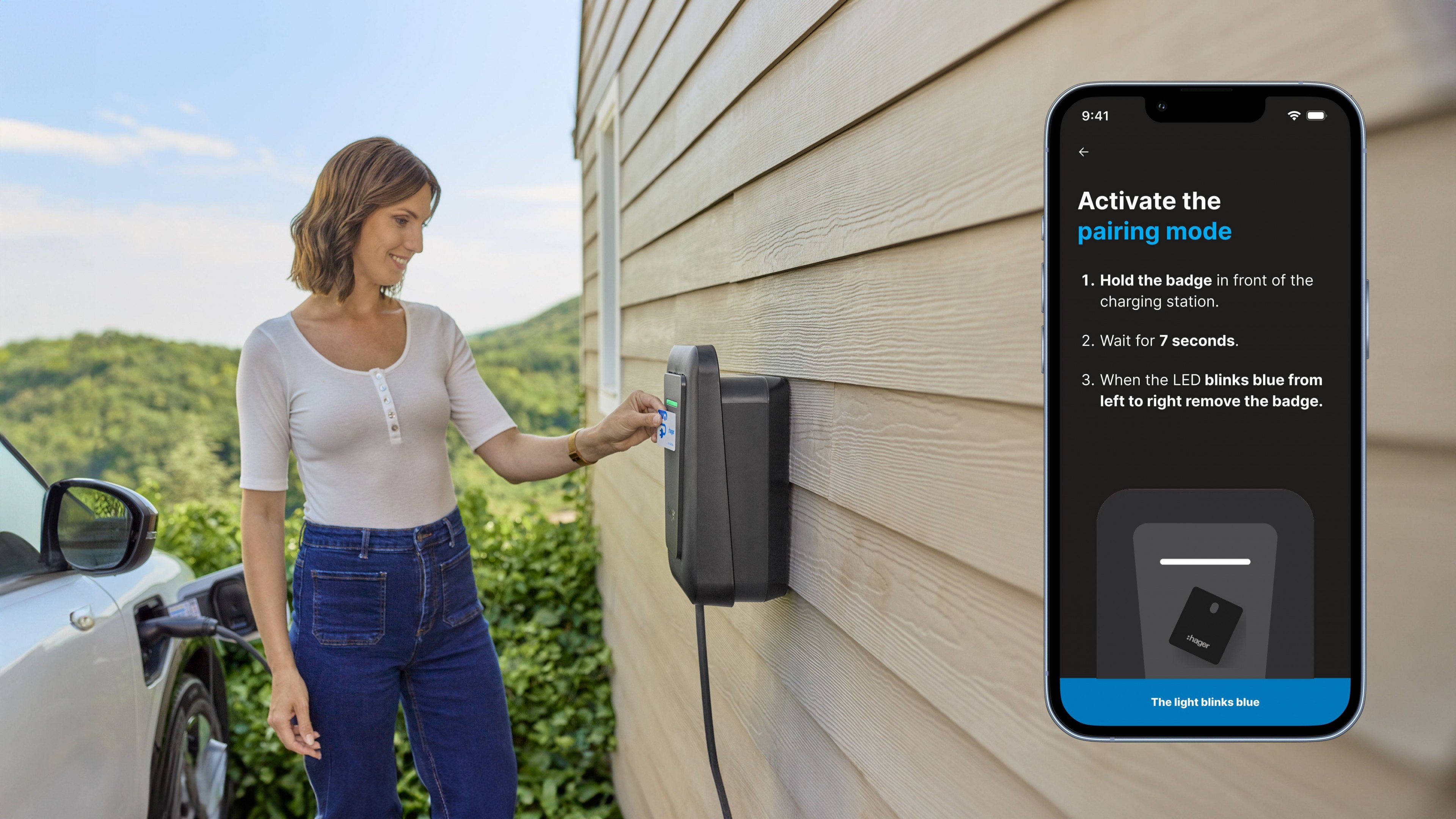
The project covered the entire design process: benchmarking, design thinking workshops, UX/UI design on Figma, multilingual UX writing (via Lokalise), visualization of energy flows in real time, and support for developers until delivery. Specific work was done to create a stronger link between the physical product and the digital application.
The application was nominated for the UX Design Awards 2025, honoring the quality of the user approach and product design, and received an iF Design Award Gold 2025, a rare distinction awarded to only 75 laureates out of more than 11,000 submissions, which is about 0.7%.

Context
Product : Mobile application for interacting with an electric vehicle (EV) charging station
Company : Hager, in the energy management and electrical systems sector
Target users :
Individuals wishing to install a home charging station
Electricians/technicians on site (advanced mode)
Challenges :
Integration of a new design system
Design of an "advanced" mode for professionals
Editorial consistency through a UX writing approach
Short delivery times: 1 year for market launch
Problems to solve
Identified Issues :
Functional redundancy with electric vehicle manufacturers' applications
Main interface overloaded, without clear hierarchy
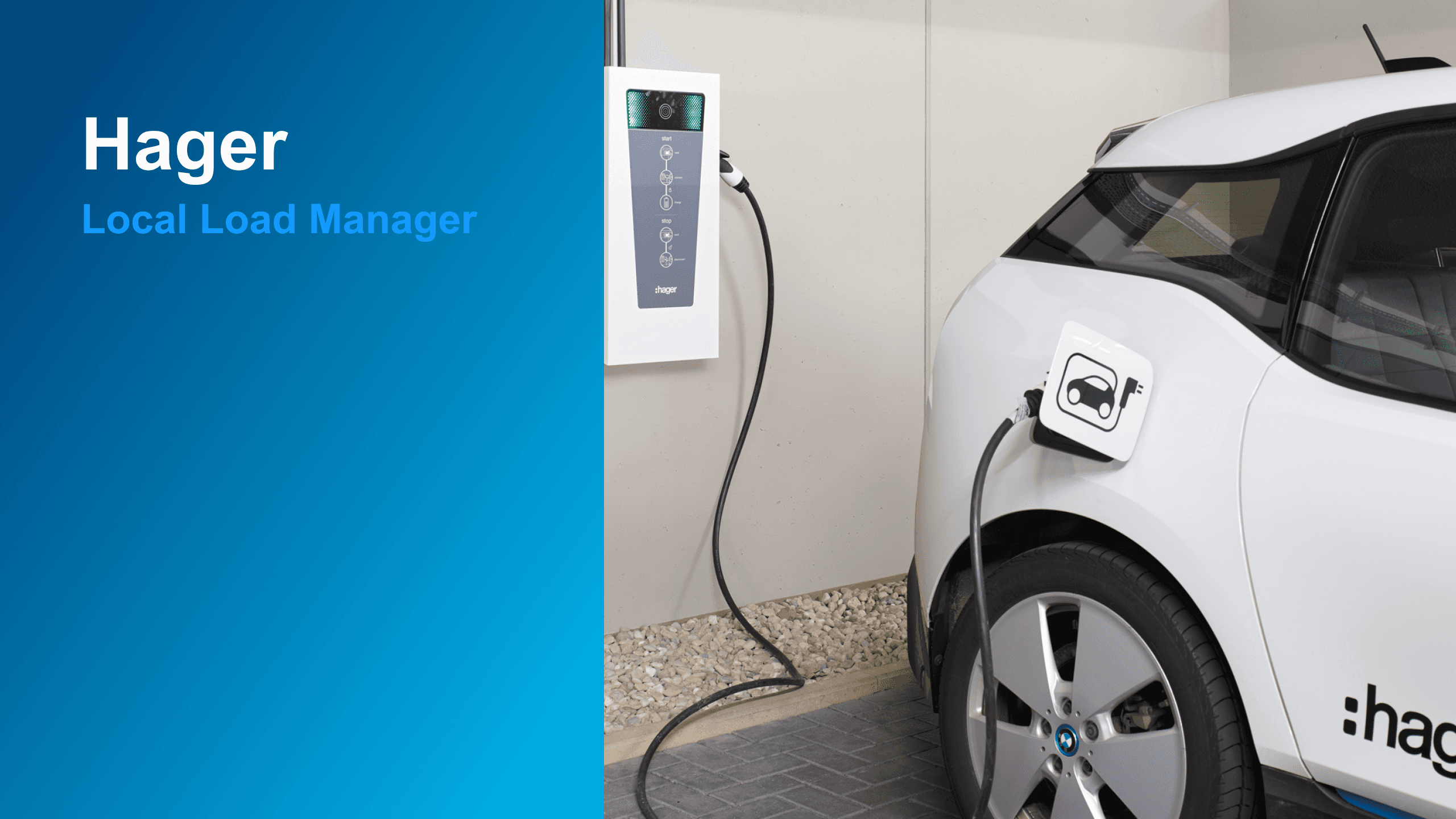
Absence of an obvious link between the physical object (the terminal) and the application
Problem Identification :
Recurring user feedback on previous versions
Interviews with project managers and internal users of electric vehicles
Objective :
Improve the understanding of the interface, reduce cognitive load, and strengthen the link between the physical product and the digital experience
Methodology
Research and sources of inspiration :
Benchmarks of EV applications and charging solutions
Observation of a lack of connection between the physical station and the application
Ideation and prototyping :
Refocusing on use cases where the application provides real added value compared to that of the manufacturer
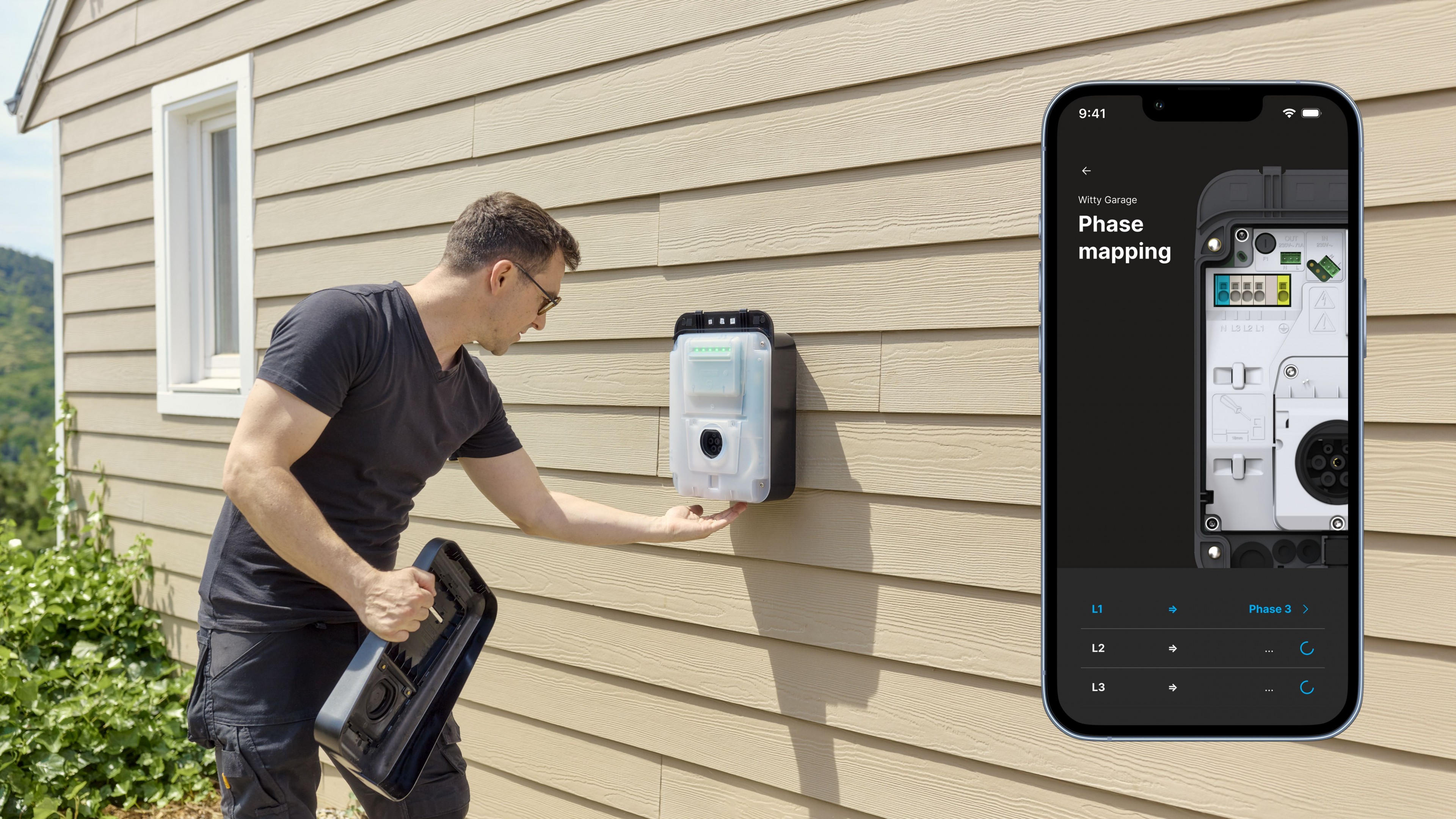
Integration of real-time visualization of energy flows
Step-by-step guided onboarding with product illustrations
Collaboration & tools :
Facilitating a design thinking workshop at the beginning of the project
Using Figma for mockups and prototypes
Using Lokalise for managing multilingual content
Weekly follow-ups with developers (technical feasibility, language integration)
Testing and iterations :
Feasibility and usability tests with the physical product
Continuous exchanges with the project team
Results & Impact
Deliverables :
Complete mockups on Figma
Illustrations and animations
Translation table for multilingual management
Impact :
Application nominated for the UX Design Awards 2025
Significant improvement of the anticipated user experience, despite the absence of post-launch indicators (end of mission before commercialization)
Feedback :
This project allowed me to get involved in all phases of product design.
In hindsight, I would have spent less time on technical aspects (translation keys) to focus more on content and interaction.
Project Link




© 2025 Mehdi Maalej